
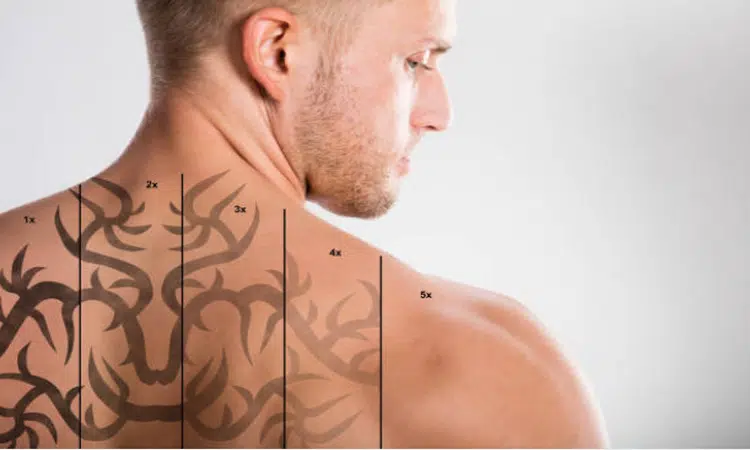
Aesthetic preferences are rarely permanent. The tattoos that once symbolized a specific milestone, relationship, or personal ethos can, over time, become incongruous with your evolving identity. When you decide to undergo dermal restoration, your primary objective shifts from artistic expression to clinical precision. Yet, as you begin researching the landscape of laser tattoo clearance, you will likely encounter a pervasive lack of transparency. Many clinics equivocate when discussing pricing, offering vague per-session estimates or marketing deceptively low introductory rates that mask the true scope of the financial and temporal investment required.
At Winter Park Tattoo Removal, we reject these obfuscating sales tactics. We believe that clinical excellence begins with radical transparency. This guide provides an exhaustive, scientifically grounded analysis of tattoo lasering cost, the biological and technological variables that dictate your treatment plan, and how investing in premier clinical expertise in Winter Park, Florida, ultimately minimizes your total financial expenditure.
The Baseline: What is the Average Tattoo Lasering Cost?
To establish a realistic baseline, we must look beyond marketing gimmicks. Across the United States, the cost of a single laser tattoo removal session ranges from $200 to $500. However, because tattoos vary exponentially in ink volume, depth, and chemistry, a single flat rate is a functional impossibility. Reputable clinics calculate pricing based on two primary dimensions: surface area (sizing) and the projected number of sessions required for the body’s lymphatic system to successfully eliminate the shattered pigment. Below is an authentic cost breakdown categorized by standard clinical dimensions:
| Tattoo Classification | Dimensions & Examples | Average Cost Per Session | Average Session Range | Projected Total Investment |
| Micro / Extra Small (XS) | Finger symbols, micro-tattoos, single initials | $90 – $120 | 4 to 8 | $360 – $960 |
| Small | Wrist motifs, delicate ankle designs, small script | $125 – $160 | 6 to 10 | $750 – $1,600 |
| Medium | Post-it note equivalent, outer bicep, localized shoulder pieces | $200 – $270 | 8 to 12 | $1,600 – $3,240 |
| Large | Extensive forearm designs, chest panels, half-sleeves | $300 – $450 | 10 to 12+ | $3,000 – $5,400+ |
| Extra Large (XL) | Full sleeves, full back pieces, complete thigh panels | By Consultation | 12+ | Customized Quoting Required |
A Crucial Note on Clinical Integrity
Be exceptionally cautious of any provider promising total clearance in three or four sessions. While initial fading can occur rapidly, the physiological process of macrophage phagocytosis where your immune cells engulf and clear the shattered ink particles demands time. Safe, scar-free dermal restoration typically requires a minimum of 6 to 12 sessions, spaced 6 to 8 weeks apart to allow the skin to regenerate completely.
The Biological Process: How Your Body Actually Clears Ink
To understand why laser tattoo removal requires multiple sessions and a calculated financial investment, you must first understand the biology of a tattoo. When you get tattooed, the needle punctures your epidermis and deposits large globules of ink deep within the dermis. Your body recognizes these pigments as foreign invaders and immediately sends white blood cells (macrophages) to swallow them. However, the ink particles are far too massive for these tiny cells to consume. Unable to carry them away, your skin locks the ink in place within the dermal layer. This is why tattoos are permanent. The laser’s job is simple: it acts as a hammer to shatter these massive ink globules into microscopic dust. Once the laser breaks down the pigment into microscopic fragments, your body’s macrophages can finally swallow them and carry them through your lymphatic channels to your liver and kidneys, where they are filtered out of your system permanently. This biological filtering is a slow process. To avoid overwhelming your skin and immune system, we must pace your treatments out. Trying to rush this process doesn’t speed up clearance it simply causes unnecessary tissue trauma, scarring, and skin damage. At Winter Park Tattoo Removal, our priorities are your safety and skin health above all else.
The Clinical Variables: What Governs Your Customized Quote?
Calculating your specific tattoo lasering cost is a sophisticated diagnostic process. During a clinical evaluation, a certified laser specialist must assess several biological, anatomical, and chemical variables that directly influence pigment clearance velocity.
1. Surface Area and Spatial Dimensions
While intuitive, the physical footprint of the ink determines the duration of each session and the wear-and-tear on the high-end optical components of the laser. Larger surface areas require a higher volume of laser pulses, scaling the active treatment time and resource allocation.
2. Pigment Density and Deposition Depth
An amateur “stick-and-poke” or cosmetic tattoo is typically characterized by sparse, superficial ink deposition. Conversely, professional tattoo artists utilize high-pressure machines to pack dense, highly concentrated pigments deep into the dermis. High pigment density acts as a shield, requiring the laser to gradually peel away ink layers over multiple successive treatments.
3. The Colour Spectrum (Pigment Chemistry)
Different ink colours absorb and reflect different wavelengths of light. To treat a multi-coloured tattoo, a clinic must possess specialized laser systems capable of emitting multiple specific wavelengths:
- Black and Dark Blue: These pigments absorb the full spectrum of laser light, making them highly responsive to treatment and cheaper to resolve. They react beautifully to the standard 1064nm wavelength.
- Red and Warm Pigments: These require specific green-light wavelengths, such as 532nm, to achieve absorption.
- Vibrant Greens, Teals, and Sky Blues: Historically highly resistant, these demand highly specialized 755nm or 730nm wavelengths to break the complex chemical bonds of the pigments.
- Yellow and White: These represent the highest clinical difficulty. White ink containing titanium dioxide can instantly oxidize (turn dark gray or black) upon laser exposure, requiring highly specialized management by an elite technician.
4. Patient Fitzpatrick Skin Type
To prevent adverse events, the laser’s energy output must be calibrated to your natural melanin levels:
- Fitzpatrick Types I–III (Lighter Skin Tones): Can safely tolerate higher, more aggressive fluences (energy levels) without competing with melanin, which often accelerates the clearance timeline.
- Fitzpatrick Types IV–VI (Darker Skin Tones): Require a highly conservative, measured approach. Technicians must use longer wavelengths (such as the 1064nm Nd:YAG) and lower energy settings to bypass epidermal melanin, preserving the skin’s natural pigment while slowly targeting the underlying ink. This deliberate safety protocol may extend the total session count.
5. Anatomical Location and Vascularity
As mentioned, your lymphatic system performs the actual removal of the ink once it is pulverized. Tattoos located in highly vascularized zones close to the heart (the neck, chest, and upper torso) benefit from robust blood flow and clear rapidly. Conversely, tattoos on the extremities (hands, fingers, ankles, and feet) experience slower circulation, extending the time required between sessions and occasionally increasing the overall session count.
Technology Analysis: Why Deceptively Cheap Lasers Cost More
In aesthetic medicine, choosing a provider based solely on the lowest per-session price is a high-risk strategy that frequently yields poor clinical outcomes, severe skin damage, and inflated long-term expenses. The caliber of the technology utilized by your clinic is the single most critical determinant of your final bill.

Legacy Nanosecond Lasers (The Low-Cost, High-Risk Option)
Many budget spas and discount clinics utilize outdated Q-switched (nanosecond) technology. These devices rely heavily on photothermal energy essentially heating the ink pigment until it cracks.
- The Risks: High heat transfer to surrounding tissue, elevated risk of blistering, permanent scarring, hypopigmentation, or “ghosting.”
- The Cleavage: Nanosecond pulses break ink down into relatively large particles (comparable to pebbles). The body struggles to clear these larger structures.
- The Real Cost: While you may pay only $100 per session, you may require 15 to 20 sessions to achieve moderate fading, resulting in a prolonged, painful, and ultimately more expensive process.
Medical-Grade Picosecond Lasers (The Gold Standard)
Elite clinics, such as Winter Park Tattoo Removal, utilize advanced Picosecond Lasers. These cutting-edge systems deliver energy in trillionths of a second (picoseconds). This speed transition converts the light energy into a photoacoustic shockwave rather than thermal heat.
- The Benefits: The target pigment is instantaneously pulverized into microscopic dust (comparable to sand) without heating the surrounding dermal tissue.
- The Safety Profile: Exceptional protection for all skin types, with virtually zero risk of thermal scarring or permanent texture changes.
- The Real Cost: Though a single session with a picosecond laser may command a premium ($200+), the treatment clears the ink in 6 to 8 sessions rather than 15. Your overall financial investment is lower, your skin integrity is preserved, and your time commitment is cut in half.
The Kirby-Desai Predictive Matrix
To standardize prognosis and pricing expectations, clinical dermatologists utilize the Kirby-Desai Scale. This peer-reviewed clinical tool assigns numerical values to six patient variables to calculate a highly accurate estimate of the required treatment sessions. The formula integrates multiple risk and anatomical factors to form a scientific baseline of your treatment longevity: $$\text{Total Score} = \text{Skin Type} + \text{Location} + \text{Colour Spectrum} + \text{Ink Density} + \text{Scarring} + \text{Layering}$$ Let’s look at how these points accumulate to form a prediction:
- Skin Type (Fitzpatrick Scale): Values range from 1 (very light skin) to 6 (very dark skin).
- Location: 1 point for torso/neck, up to 4 points for hands/feet.
- Colour Spectrum: 1 point for black-only, up to 4 points for multi-coloured tattoos containing green/teal.
- Ink Density: 1 point for sparse/amateur, up to 4 points for bold/dense professional designs.
- Scarring/Tissue Change: If the original tattoo artist scarred your skin, the ink is trapped in fibrotic scar tissue. This adds up to 5 points to your score.
- Layering (Cover-ups): Cover-ups mean double the ink layers. This adds 2 points.
During your diagnostic consultation at Winter Park Tattoo Removal, we walk you through this exact medical scale. By quantifying these variables, we replace ambiguous guesswork with a mathematically sound, honest projection of your overall treatment path.
The Patient Journey at Winter Park Tattoo Removal: Step-by-Step
Our process is engineered to remove anxiety from the laser removal experience. We walk beside you at every step of your skin restoration journey:
Frequently Asked Questions Regarding Tattoo Lasering Cost
Q.1 Is tattoo removal covered by health insurance?
In almost all cases, no. Health insurance providers classify laser tattoo removal as a cosmetic procedure, meaning it is an out-of-pocket medical expense. However, Winter Park Tattoo Removal offers highly flexible payment plans and interest-free financing through partners like Cherry to make your treatments incredibly affordable.
Q.2 Can I get a tattoo partially removed for a cover-up?
Absolutely. In fact, many local Central Florida tattoo artists send their clients to us. By using our advanced lasers to fade a dark, heavy tattoo for just 3 or 4 sessions, we can lighten the ink enough to give your tattoo artist a clean canvas. This greatly expands their design possibilities and lowers your overall cost since you don’t need complete clearance.
Q.3 Does the cost of removing a tattoo include aftercare?
At Winter Park Tattoo Removal, we provide you with comprehensive aftercare instructions and recommended healing topicals to ensure your skin recovers perfectly without scarring. Our goal is a seamless, safe, and positive transformation from start to finish.
Experience the Winter Park Tattoo Removal Difference
Your skin is your body’s largest organ. Entrusting its restoration to discount operators using substandard equipment is a compromise you do not have to make. At Winter Park Tattoo Removal, located in Winter Park, Florida, we combine advanced medical science with a patient-first philosophy. We have built our reputation on three pillars of clinical excellence:
- Premier Picosecond Engineering: We utilize only the most advanced, FDA-cleared picosecond technology, ensuring safe, rapid, and complete ink clearance across the entire Fitzpatrick skin spectrum.
- Absolute Financial Transparency: No high-pressure sales tactics, no hidden surcharges, and no ambiguous estimates. We provide flat-rate, honest pricing and flexible payment structures customized to your financial preferences.
- Dedicated Laser Specialists: Our certified technicians specialize exclusively in advanced laser tattoo removal. We understand the complex biophysics of ink interaction, skin healing, and laser energy delivery, ensuring your safety at every step.


