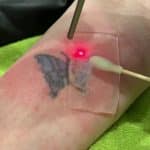

Tattoos have transformed from niche cultural symbols to mainstream forms of self-expression. Today, they serve as reflections of personality, beliefs, and life experiences. However, in professional settings, tattoos can spark mixed reactions. While some employers embrace them as signs of creativity and individuality, others may view them as unprofessional or distracting.
At Winterpark tattoo removal, we recognize that tattoos are deeply personal choices. Yet, professional circumstances can change, and what once felt appropriate may no longer align with evolving goals. By exploring the pros and cons of workplace tattoos and the potential for tattoo removal, employees can make informed decisions that balance self-expression with professional growth.
How Tattoos Became Mainstream in Professional Settings
Over the past decade, tattoos have moved from counterculture symbols to mainstream acceptance. Studies indicate that over 30% of Americans now have at least one tattoo, with Millennials and Gen Z leading the trend. Consequently, tattoos are increasingly visible across industries, from tech and creative fields to healthcare and corporate sectors.
Nevertheless, acceptance varies. Creative workplaces often celebrate individuality, while traditional fields like law, finance, and consulting may maintain stricter appearance standards. Understanding these cultural norms is crucial for employees navigating professional opportunities. Interestingly, research shows that attitudes toward tattoos are shifting globally. In some European countries, over 40% of adults have at least one tattoo, reflecting broader cultural acceptance. Despite this, professionals should still consider industry-specific expectations before displaying visible tattoos in the workplace.
Advantages of Tattoos in the Workplace
1. A Platform for Self-Expression
Tattoos are a visual language that allows employees to showcase personality, experiences, and values. In creative industries, visible tattoos can foster connections and spark authentic conversations. For example, a graphic designer might use a tattoo inspired by their favorite artwork to communicate creativity to clients instantly.
2. Encouraging Diversity and Inclusion
Organizations that embrace tattoos signal that they value skills over appearance. Moreover, accepting visible body art contributes to inclusivity and modernity in the workplace. Companies that normalize tattoos often attract innovative talent, encouraging collaboration across diverse perspectives.
3. Confidence and Job Satisfaction
Tattoos often carry deep personal significance. Therefore, allowing employees to display them can boost confidence, morale, and engagement. Professionals who feel comfortable expressing themselves authentically are more likely to contribute ideas, take initiative, and foster a positive workplace culture.
4. Networking and Relationship Building
Tattoos can serve as conversation starters. For example, a colleague noticing a tattoo inspired by a shared hobby may spark a discussion that leads to mentorship, collaboration, or even job opportunities. Over time, these interactions strengthen workplace relationships and build trust.
5. Enhancing Personal and Professional Branding
For creative professionals, tattoos can subtly reinforce personal branding. They communicate boldness, innovation, and individuality traits valued in industries that thrive on original ideas. In this sense, tattoos help individuals stand out and differentiate themselves in competitive fields.

Challenges of Tattoos in the Workplace
1. Lingering Stigma in Certain Professions
Despite growing acceptance, some industries remain conservative. Fields like law, finance, and corporate consulting often associate visible tattoos with unprofessionalism. As a result, employees may face bias, influencing hiring decisions, promotions, or client interactions. Even skilled professionals may encounter assumptions based solely on appearance.
2. Client Perception and First Impressions
In client-facing roles, tattoos can influence credibility. Some clients might perceive tattoos as informal or rebellious, potentially affecting trust and rapport. Therefore, understanding your audience and professional environment is essential before displaying visible tattoos.
3. Compliance with Dress Codes
Many companies enforce policies requiring tattoos to be covered. Consequently, employees may feel restricted or uncomfortable, particularly with large or prominent designs. These policies can limit self-expression, requiring thoughtful placement decisions for new tattoos.
4. Risk of Stereotyping
Even in progressive workplaces, tattoos can trigger assumptions about personality traits, responsibility, or leadership potential. Unfortunately, stereotypes persist, and employees may face judgment despite excellent performance or strong work ethic.
5. The Permanent Nature of Tattoos
Tattoos are lifelong commitments. Thus, a design chosen during youth may later conflict with career transitions, professional goals, or personal tastes. For those seeking flexibility, tattoo removal provides a practical pathway to adapting to new circumstances.
Personal Stories: When Tattoo Removal Becomes a Life-Changing Choice
Sarah’s Journey: Career Transitions and Self-Expression
Sarah, a marketing professional, got her first tattoo in college a colorful floral design on her forearm. At the time, it perfectly reflected her personality. Years later, after moving into a corporate role with strict appearance policies, she realized her tattoo no longer aligned with her professional goals.
After researching options, Sarah discovered laser tattoo removal. Her first consultation at Wymore Laser & Anti-Aging Medicine reassured her: the team explained the process, expected outcomes, and the number of sessions required. Over several months, her tattoo gradually faded. More importantly, she regained confidence to embrace her new career without compromise, demonstrating that tattoo removal is not just physical it’s empowering.
Michael’s Story: Reclaiming Confidence After a Mistake
Michael got a tattoo in his early twenties that he later regretted. While it had personal meaning at the time, it became a source of embarrassment in client meetings and interviews. Deciding to take control, he sought laser removal. Through a series of treatments, the tattoo faded, allowing him to present himself in a way that aligned with his professional and personal values. Michael’s story highlights that tattoo removal can be a tool for self-reinvention and career adaptability.
Emily’s Experience: A Path to Self-Expression Again
Emily had multiple tattoos from her teenage years. Later in life, she felt her professional image required a clean slate. After undergoing removal treatments, she not only regained clear skin but also a renewed sense of personal freedom. She realized that the process allowed her to redefine her identity on her own terms, rather than letting past choices dictate her professional future. These stories show that tattoo removal is more than a cosmetic procedure it’s a transformational journey.
Practical Tips for Balancing Tattoos and Professionalism
- Understand Your Industry: Different sectors have varying tolerance for visible tattoos.
- Plan Placement Carefully: Some areas, like the upper back or legs, are easier to conceal.
- Choose Meaningful Designs: Avoid imagery that could be misinterpreted or offensive.
- Communicate Confidently: In client-facing roles, proactively addressing tattoos can reduce misconceptions.
- Know Your Options: Tattoo removal offers flexibility and a second chance to align appearance with career goals.
By applying these strategies, professionals can maintain authenticity while respecting workplace expectations.
Tattoos and Professional Growth: Finding the Balance
Many people get tattoos in their youth, only to face changing priorities later. Career advancements, evolving industries, and personal goals often require a reconsideration of visible tattoos. At Wymore Laser & Anti-Aging Medicine, the approach is patient-centered: the process is customized based on tattoo size, color, location, and skin type.
Through laser treatments, tattoos fade safely and gradually, giving clients the chance to adapt to new professional environments. Beyond aesthetics, tattoo removal provides emotional and psychological reassurance helping individuals feel in control of their professional image and personal narrative.
The Cultural Shift: Tattoos in Modern Workplaces
Workplace attitudes toward tattoos are shifting alongside broader cultural changes. Companies that prioritize diversity, authenticity, and individuality increasingly welcome visible body art. Consequently, employees enjoy greater freedom to express themselves without sacrificing professional opportunities.
However, context remains crucial. Professionals should understand company policies, client expectations, and industry standards. Tattoos, like any form of personal expression, come with advantages and considerations that require careful navigation.
Final Thoughts: Harmonizing Expression and Career Success
Tattoos are more than decorative art they are reflections of identity, creativity, and personal milestones. On one hand, tattoos can boost confidence, foster connections, and enhance personal branding. On the other hand, they may present challenges in conservative industries or client-facing roles.
Stories like Sarah’s, Michael’s, and Emily’s demonstrate that tattoo removal is not about erasing history. It’s about evolving, reclaiming control, and aligning personal expression with professional growth. By understanding the benefits and limitations of workplace tattoos and the transformative possibilities of tattoo removal professionals can confidently balance individuality with career success.