
The Ultimate Guide to Microblading Removal: Facts, Methods, and Results
Microblading has grown immensely popular as a semi-permanent solution for perfect eyebrows. However, not every experience ends as expected. Fading pigment, uneven shapes, or simply changing preferences can lead people to seek professional removal. Understanding the process, safety, and expected results is crucial before starting microblading removal.
At Winter Park Tattoo Removal, we specialize in safe and effective removal techniques, helping you regain natural, flawless brows with confidence.
Contact Us Today!
At the Winter Park Tattoo Removal, we have skilled professionals using Winter Park Tattoo Removal & skin blemish removal technology to free your skin of tattoos, scars, and any signs of aging.
No need to keep that unsightly tattoo anymore. We can help!
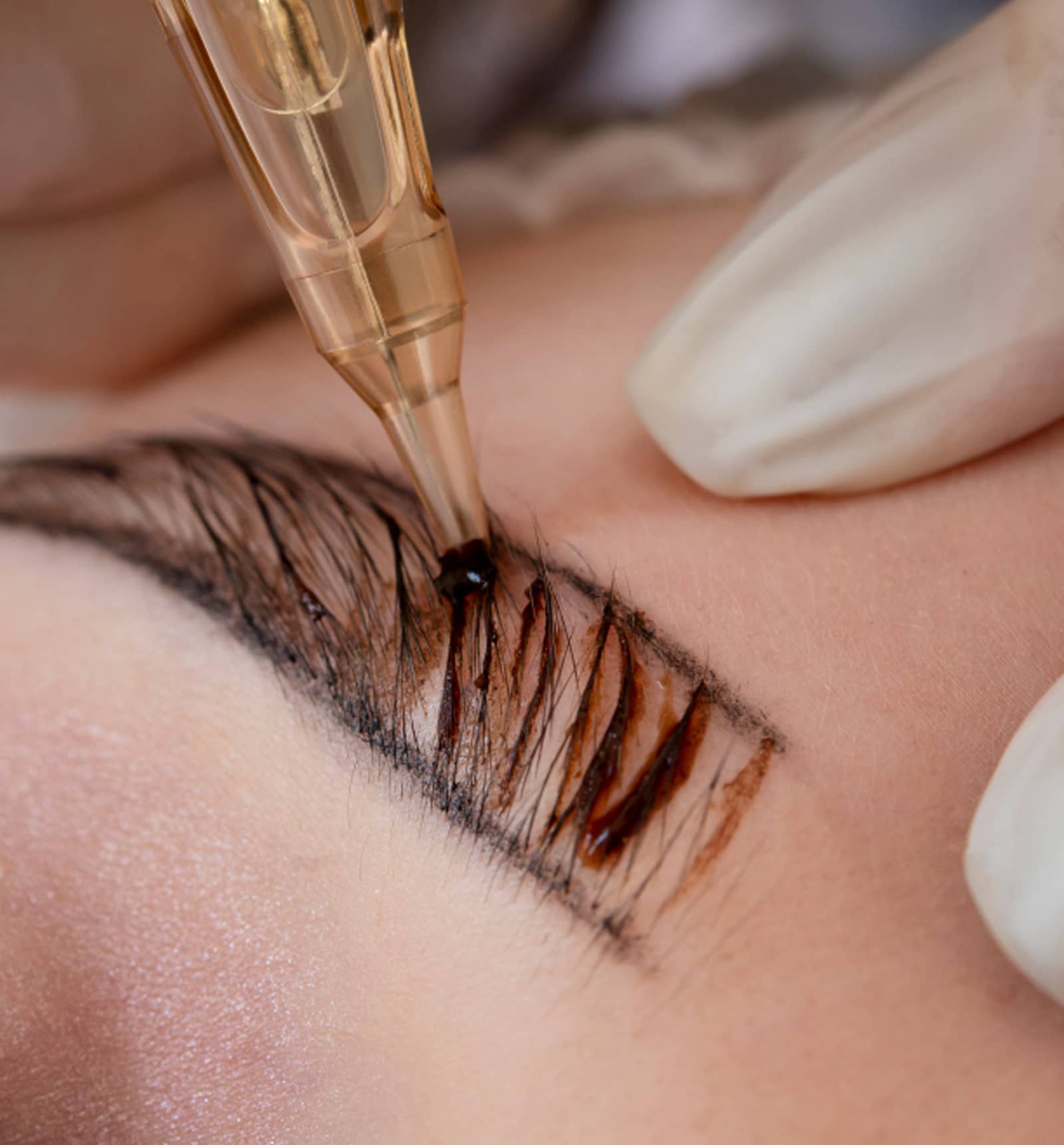
Understanding Microblading and Why Removal May Be Needed
Microblading is a cosmetic procedure where pigment is implanted into the upper layers of skin to mimic natural brow hairs. Unlike traditional tattoos, microblading pigment fades naturally, typically within 12–18 months. However, not everyone experiences an even fade, and sometimes color changes or poor applications necessitate professional removal.
Common reasons for microblading removal include:
-
Pigment fading unevenly or turning orange/gray over time.
-
Dissatisfaction with brow shape or symmetry.
-
Desire to switch to a new brow style or color.
-
Poor initial application or low-quality pigment.
Fact: According to dermatology research, uneven or improperly implanted microblading pigment is a leading reason clients seek professional removal
Key Methods for Removing Microblading
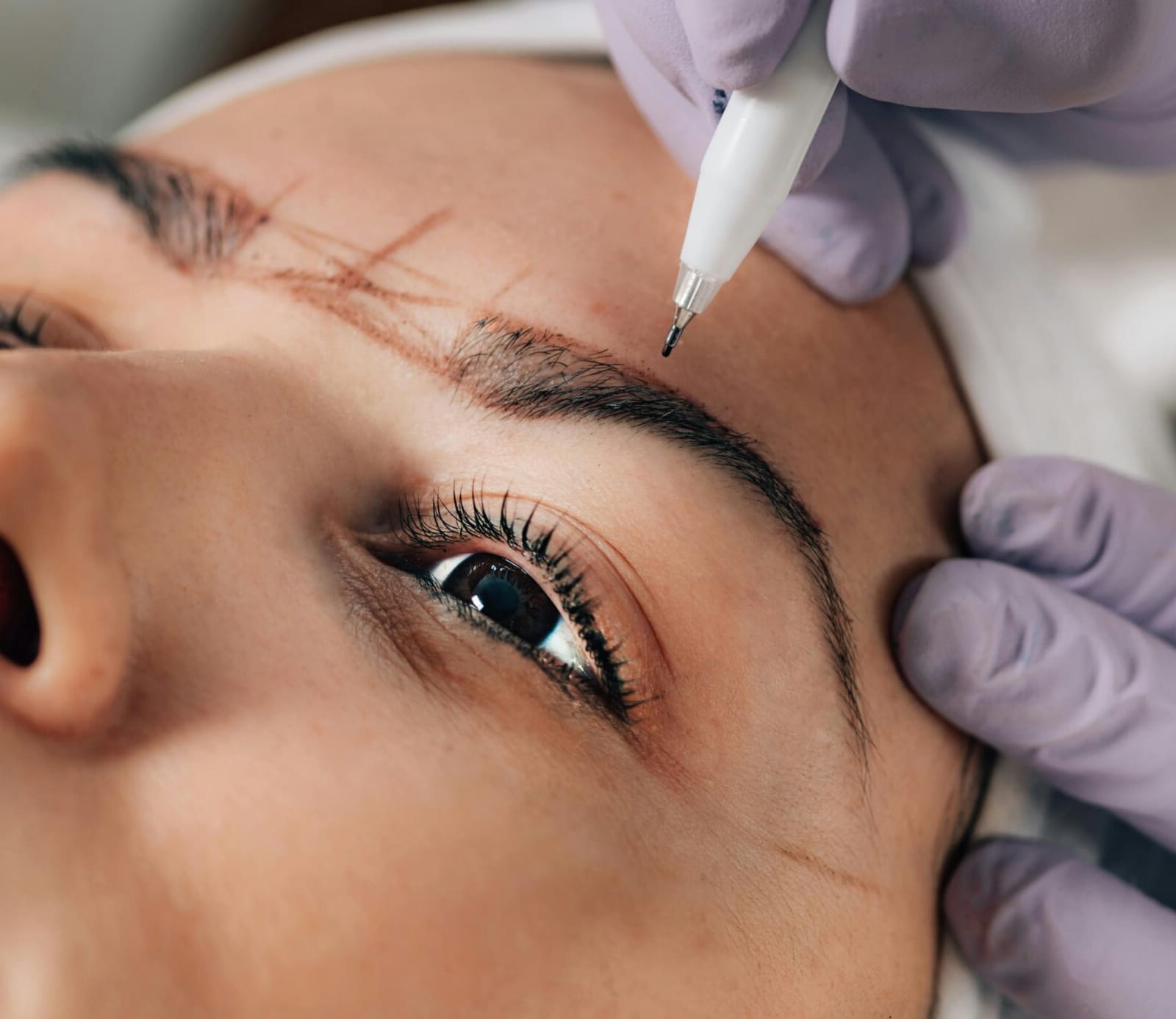
Microblading removal is a professional process that uses specialized methods to break down pigment without damaging the skin.
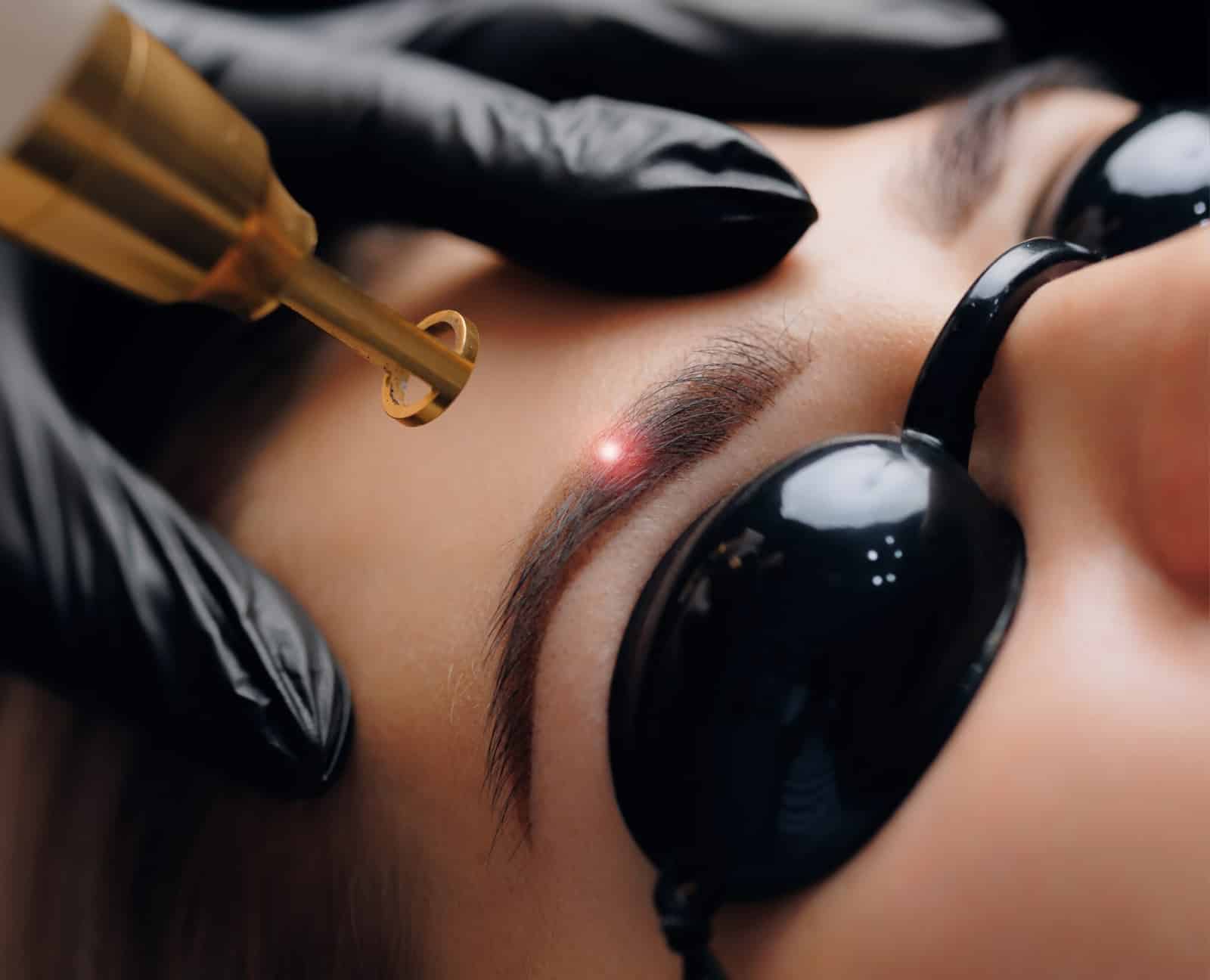
1. Laser Removal
Laser removal is the most common and effective method. Picosecond and Q-switched lasers target pigment particles using light energy, breaking them into smaller fragments that the body can naturally eliminate.
Advantages:
-
Works quickly on most pigment colors.
-
Minimal downtime and faster healing.
-
Less risk of scarring when performed by professionals.
Consideration: Red, orange, or yellow pigments may require additional sessions due to their composition.
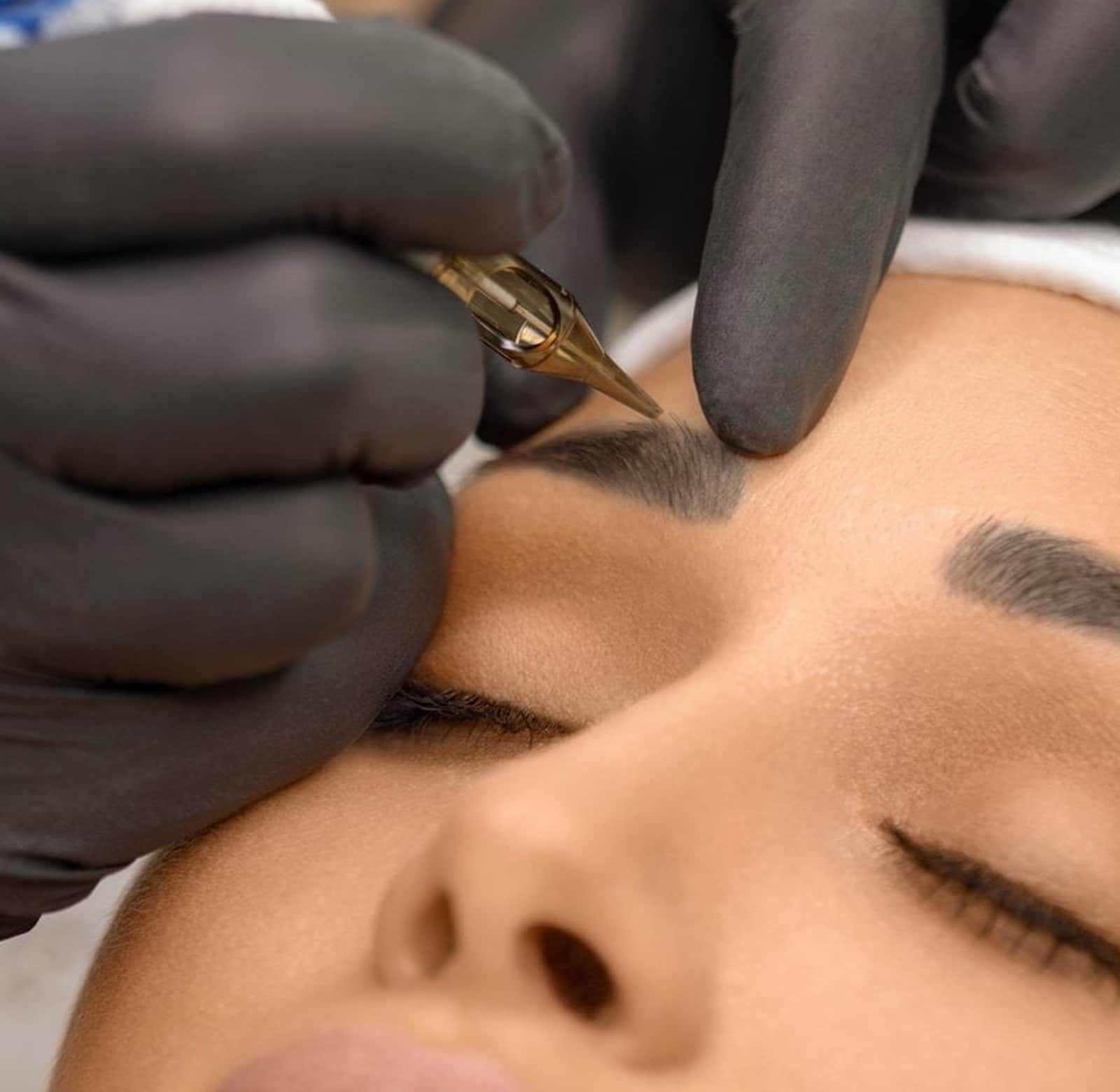
Key Methods for Removing Microblading
Microblading removal is a professional process that uses specialized methods to break down pigment without damaging the skin.
1. Laser Removal
Laser removal is the most common and effective method. Picosecond and Q-switched lasers target pigment particles using light energy, breaking them into smaller fragments that the body can naturally eliminate.
Advantages:
-
Works quickly on most pigment colors.
-
Minimal downtime and faster healing.
-
Less risk of scarring when performed by professionals.
Consideration: Red, orange, or yellow pigments may require additional sessions due to their composition.
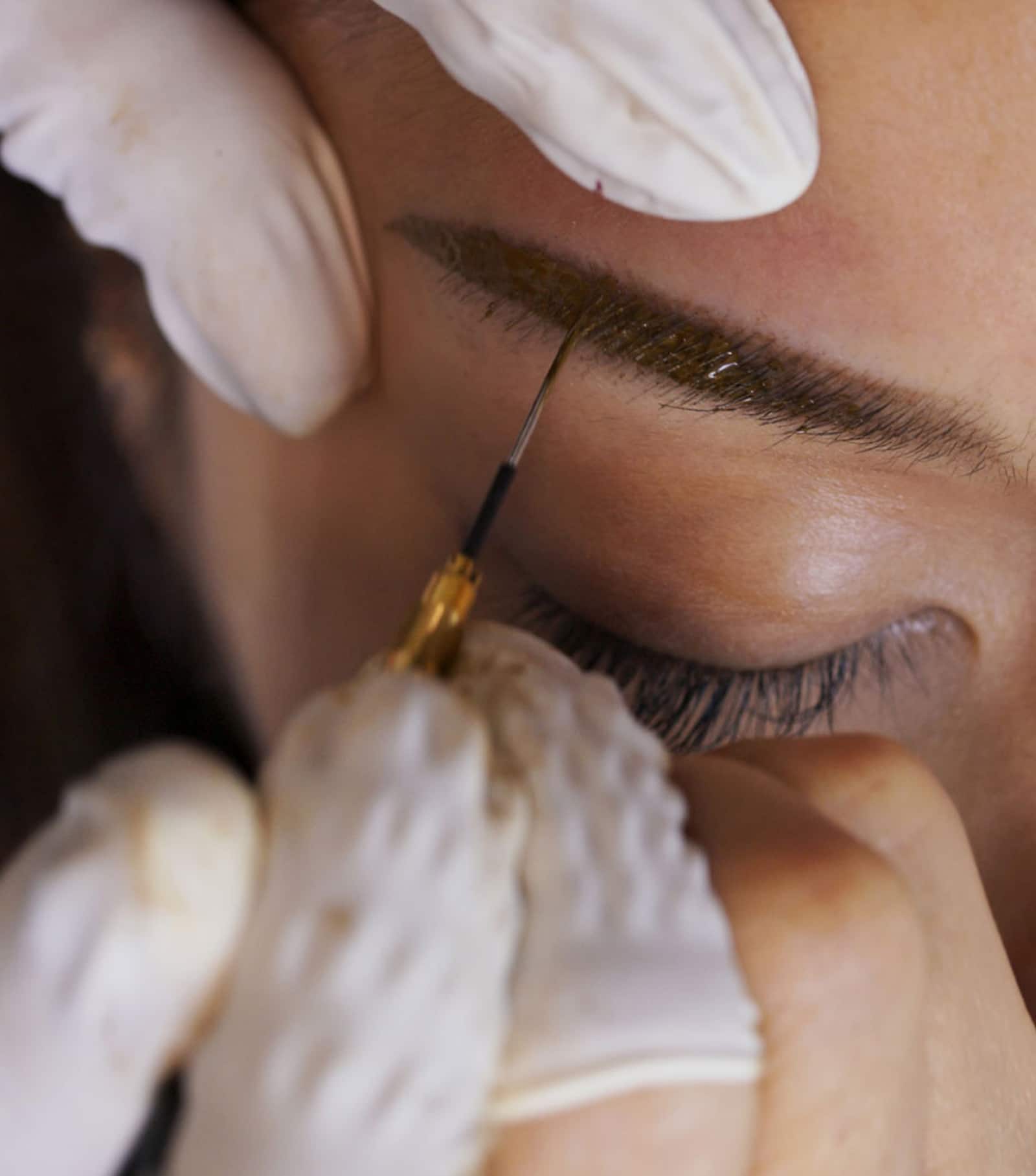
2. Saline or Solution-Based Removal
This method involves applying a saline or specially formulated solution into the skin to lift the pigment to the surface.
Advantages:
-
Effective on stubborn or light pigments that may not respond to lasers.
-
Gentle on sensitive skin.
Consideration: Multiple sessions may be needed, and healing time can be longer compared to laser treatments
3. Combined Techniques
For complex cases or pigments resistant to one method, professionals often combine laser and saline treatments for better results. This hybrid approach ensures that stubborn pigments are effectively removed without excessive skin trauma.
What You Should Know About the Removal Process
Multiple Sessions Are Standard
Professional removal is rarely a one-time procedure. Most clients require 3–6 sessions, spaced 6–8 weeks apart, depending on pigment depth, color, and skin type.
Recovery and Side Effects
After treatment, some redness, swelling, or mild blistering is normal. These effects usually subside within 3–5 days. Proper aftercare including sun protection and keeping the area clean is essential for faster healing and optimal results.
Fact: Studies show that following proper aftercare significantly improves removal outcomes and reduces the risk of scarring or pigment retention.
Pigment and Skin Type Matter
Dark brown and black pigments typically respond faster to laser removal, whereas warm colors (reds, yellows, oranges) can be more challenging. Sensitive or darker skin may require customized treatment to prevent hyperpigmentation.
Common Misconceptions About Microblading Removal
- “It can be removed in one session.” – In reality, multiple sessions are usually necessary for complete pigment clearance.
- “Laser damages eyebrow hair.” – Professional laser removal targets pigment, not hair follicles, so natural brow hair generally remains intact.
- “DIY creams work.” – Over-the-counter or at-home products are ineffective and may cause scarring or infection.
Real-Life Results and Celebrity Cases
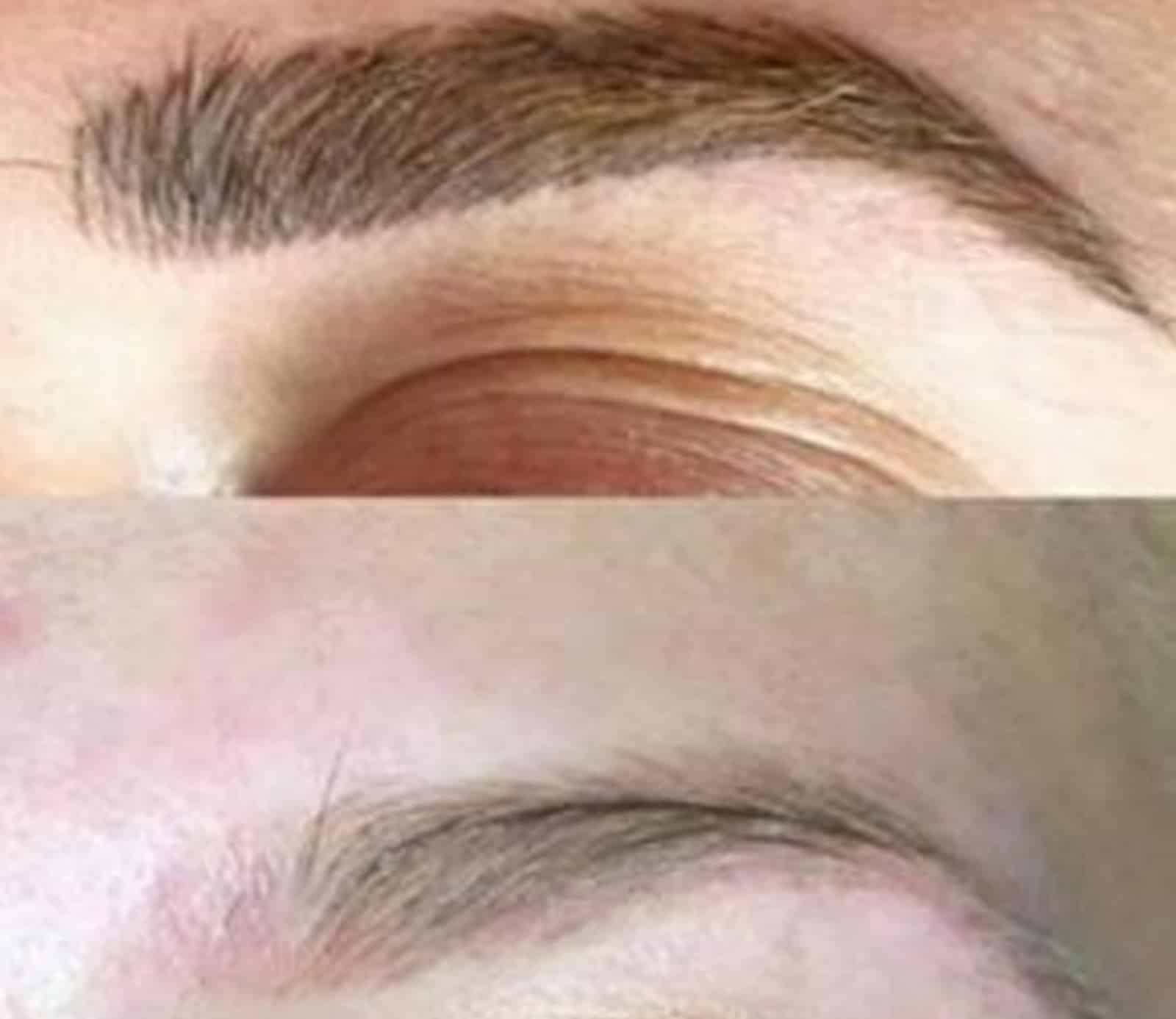
Even celebrities encounter removal challenges. Actress Brooke Shields publicly shared her experience removing orange-toned microblading pigment using multiple laser sessions. Her journey highlights the importance of professional treatments and patience.
Common Misconceptions About Microblading Removal
- “It can be removed in one session.” – In reality, multiple sessions are usually necessary for complete pigment clearance.
- “Laser damages eyebrow hair.” – Professional laser removal targets pigment, not hair follicles, so natural brow hair generally remains intact.
- “DIY creams work.” – Over-the-counter or at-home products are ineffective and may cause scarring or infection.
Real-Life Results and Celebrity Cases
Even celebrities encounter removal challenges. Actress Brooke Shields publicly shared her experience removing orange-toned microblading pigment using multiple laser sessions. Her journey highlights the importance of professional treatments and patience.
Why Winter Park Tattoo Removal Is the Trusted Choice
Choosing a professional clinic ensures safety, precision, and long-lasting results. At Winter Park Tattoo Removal, we offer:
- Certified technicians skilled in the latest microblading removal techniques.
- Advanced lasers that treat all skin types and pigment colors safely.
- Customized treatment plans based on your unique skin and pigment.
- Comprehensive aftercare support to maximize results.
Why Winter Park Tattoo Removal Is the Trusted Choice
Choosing a professional clinic ensures safety, precision, and long-lasting results. At Winter Park Tattoo Removal, we offer:
- Certified technicians skilled in the latest microblading removal techniques.
- Advanced lasers that treat all skin types and pigment colors safely.
- Customized treatment plans based on your unique skin and pigment.
- Comprehensive aftercare support to maximize results.
Frequently Asked Questions
1. What is microblading removal, and how does it work?
Microblading removal is a professional process that eliminates or lightens unwanted eyebrow pigment. It works by breaking down the pigment using laser treatments or saline solutions, allowing the body to naturally remove it over time.
2. How many sessions does microblading removal usually require?
Most clients need 3–6 sessions, spaced 6–8 weeks apart, depending on pigment color, depth, and skin type. Darker pigments usually require fewer sessions, while red or yellow pigments may need more.
3. Does microblading removal hurt?
Discomfort is generally mild, often described as a snapping or tingling sensation. Topical numbing creams are applied to ensure comfort during treatment.
4. Can microblading be completely removed?
Yes, professional removal can achieve complete or near-complete removal in most cases. Results vary depending on pigment type, depth, and how long the microblading has been in the skin.
5. How long does it take to recover after a removal session?
Recovery typically takes 3–5 days for minor redness, swelling, or mild scabbing. Full healing between sessions can take 6–8 weeks to ensure the skin is ready for the next treatment.
6. Will microblading removal damage my natural eyebrow hair?
No. Laser treatments specifically target pigment particles without affecting hair follicles. Most clients retain their natural brow hairs, though temporary shedding may occur in rare cases.
7. Can I redo microblading after removal?
Yes. Once your skin has fully healed and pigment has stabilized, you can safely have new microblading or tattooing applied.
8. Are there any risks or side effects?
Side effects are generally minor and temporary, including redness, swelling, or mild blistering. Proper aftercare reduces risks like infection or scarring. Avoid DIY removal methods, as they can cause permanent damage.
9. How do I know which removal method is best for me?
The best method depends on your pigment color, depth, skin type, and desired outcome. Winter Park Tattoo Removal offers a consultation to customize the treatment plan using either laser, saline, or a combination.
10. How much does microblading removal cost?
The cost varies depending on the number of sessions, the method used, and pigment complexity. A consultation with a certified technician at Winter Park Tattoo Removal will provide a personalized estimate.
Take the First Step Toward Perfect Brows
If you want to safely and effectively remove unwanted microblading, trust Winter Park Tattoo Removal to restore your natural, beautiful brows. Book your consultation today and take the first step toward confident, flawless results. Our experienced technicians use advanced, FDA-approved techniques to ensure comfort and lasting results. Rediscover your brows and regain your confidence with personalized treatment designed just for you.