
Laser Tattoo Removal Facts
Laser Tattoo Removal: Essential Facts Backed by Science
Unwanted tattoos no longer need to be a permanent mark on your skin or your story. Laser tattoo removal has become the leading method for fading or eliminating ink safely and effectively when performed by trained professionals. However, the process involves more than just “zapping” a tattoo. There are important scientific principles, treatment details, and outcomes everyone should understand.
At Winter Park Tattoo Removal, we combine advanced technology with personalized care to provide results that matter. In this guide, we explain the most important laser tattoo removal facts, supported by medical research, so you can make an informed decision with confidence.
Contact Us Today!
At the Winter Park Tattoo Removal, we have skilled professionals using Winter Park Tattoo Removal & skin blemish removal technology to free your skin of tattoos, scars, and any signs of aging.
No need to keep that unsightly tattoo anymore. We can help!
What Is Laser Tattoo Removal and How Does It Work?
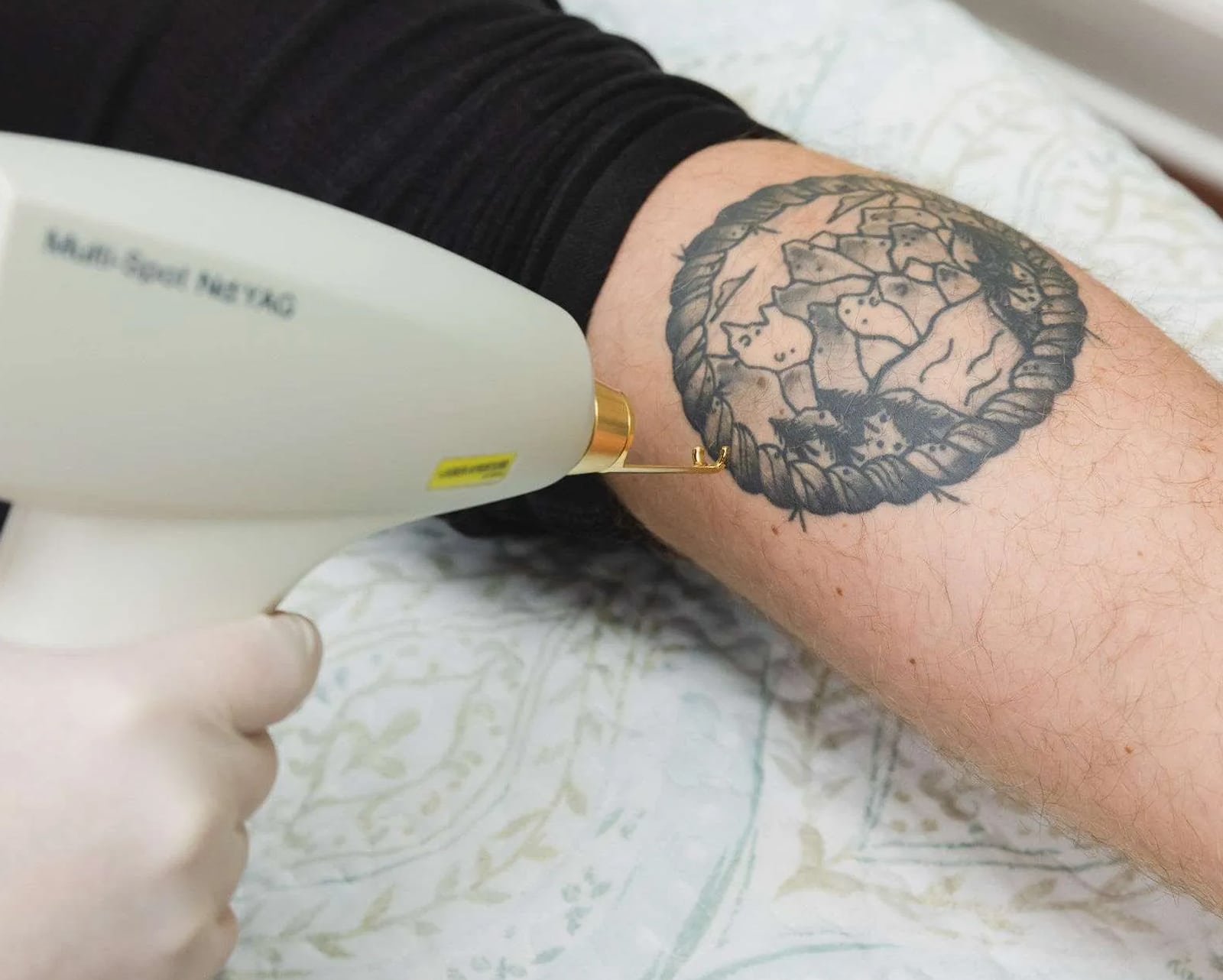
Laser tattoo removal is a medical-grade procedure that targets ink particles embedded beneath the skin’s surface without cutting or damaging the surrounding tissue. This is achieved through a process known as selective photothermolysis, a principle in laser therapy that allows specific targets (like tattoo ink) to absorb laser light while sparing skin structures nearby.
In practice, this means:
- A specialized laser emits ultra-short bursts of light at specific wavelengths
- Tattoo ink absorbs the light, causing it to break apart into tiny fragments
- Your immune system gradually removes the ink particles over time
Modern laser systems commonly use Q-switched or picosecond technology to achieve this effect. These lasers vary in wavelength so they can target different ink colors effectively.
Fact: Tattoo Removal Is Not a One-Time Treatment
One of the most important truths about laser tattoo removal is that multiple sessions are required. Most tattoos require 6 to 12 or more treatments spaced several weeks apart to allow your body time to absorb and eliminate ink particles gradually.
Additionally, waiting 6–8 weeks between sessions isn’t arbitrary. Research shows that adequate intervals allow macrophages (the immune cells that absorb ink fragments) to work and reduce the risk of skin damage from overlapping laser sessions.

Fact: Tattoo Removal Is Not a One-Time Treatment
One of the most important truths about laser tattoo removal is that multiple sessions are required. Most tattoos require 6 to 12 or more treatments spaced several weeks apart to allow your body time to absorb and eliminate ink particles gradually.
Additionally, waiting 6–8 weeks between sessions isn’t arbitrary. Research shows that adequate intervals allow macrophages (the immune cells that absorb ink fragments) to work and reduce the risk of skin damage from overlapping laser sessions.
Fact: Different Ink Colors Respond Differently
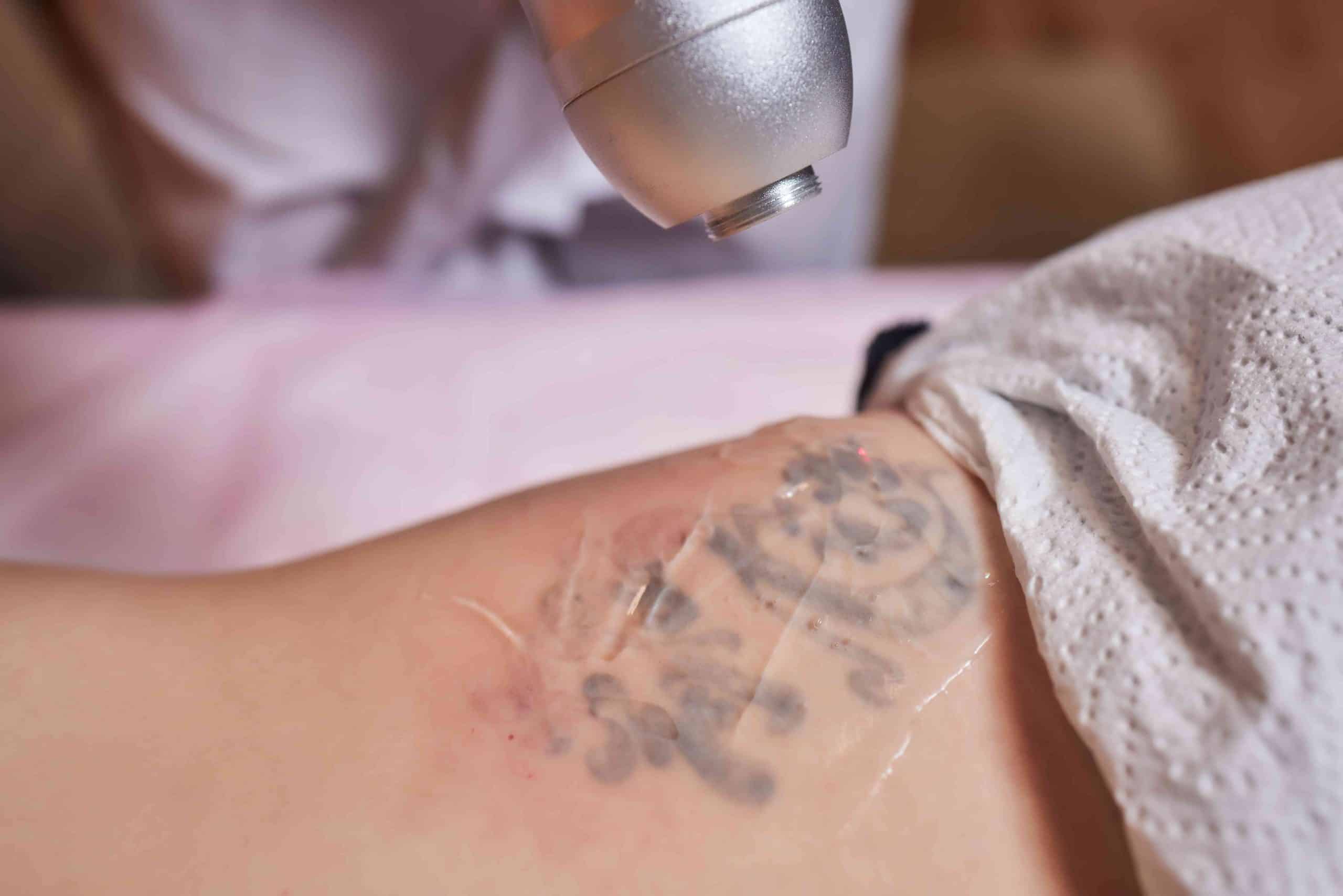
Tattoo ink is not uniform. Different pigments absorb specific laser wavelengths differently, which affects how easily they break down.
- Black and dark blue ink: Absorb energy efficiently; often fade faster
- Red, green, and other bright colors: Require multiple wavelengths and may take longer
- Yellow and white ink: Particularly challenging due to how they reflect light
This color-specific absorption explains why some tattoos fade more quickly than others.
The Immune System Matters, Ink Doesn’t Simply “Disappear”
Despite popular belief, tattoo ink doesn’t vanish immediately after laser treatment. Instead, studies show that once the laser breaks ink into microscopic pieces, the body’s immune system gradually carries those particles away via the lymphatic system.
Over time, this immune-mediated process makes the tattoo progressively lighter across treatment sessions.


Fact: Laser Tattoo Removal Can Cause Some Temporary Skin Reactions
Laser tattoo removal generally has fewer side effects than surgical removal or dermabrasion. However, as WebMD explains, you may experience short-term skin changes, including:
- Redness and swelling
- Blistering or scabbing
- Temporary changes in skin color (lighter or darker patches)
These effects occur because laser pulses can also impact melanin (skin pigment) alongside tattoo ink. Proper aftercare reduces risk and promotes healing.
Fact: Laser Tattoo Removal Is Safer Than Older Methods
Compared with past removal techniques such as surgical excision (cutting out skin) or dermabrasion (physically sanding the skin), laser treatment is safer and more precise. The laser targets ink specifically rather than removing layers of skin indiscriminately.
As a result, the risk of scarring and prolonged healing is much lower when the procedure is conducted by trained professionals.

Fact: Laser Tattoo Removal Is Safer Than Older Methods
Compared with past removal techniques such as surgical excision (cutting out skin) or dermabrasion (physically sanding the skin), laser treatment is safer and more precise. The laser targets ink specifically rather than removing layers of skin indiscriminately.
As a result, the risk of scarring and prolonged healing is much lower when the procedure is conducted by trained professionals.
Scientific Insight: Pigment and Wavelength Selection
Laser systems use multiple wavelengths because no single wavelength can effectively treat all tattoo colors. Research underscores that:
- 1064 nm wavelengths work well for dark pigments
- 532 nm wavelengths treat red and orange hues
- Other wavelengths (such as 755 nm) can help with blues and greens
This versatility allows customized treatments tailored to each tattoo’s specific composition.

Fact: Aftercare Determines Healing Quality
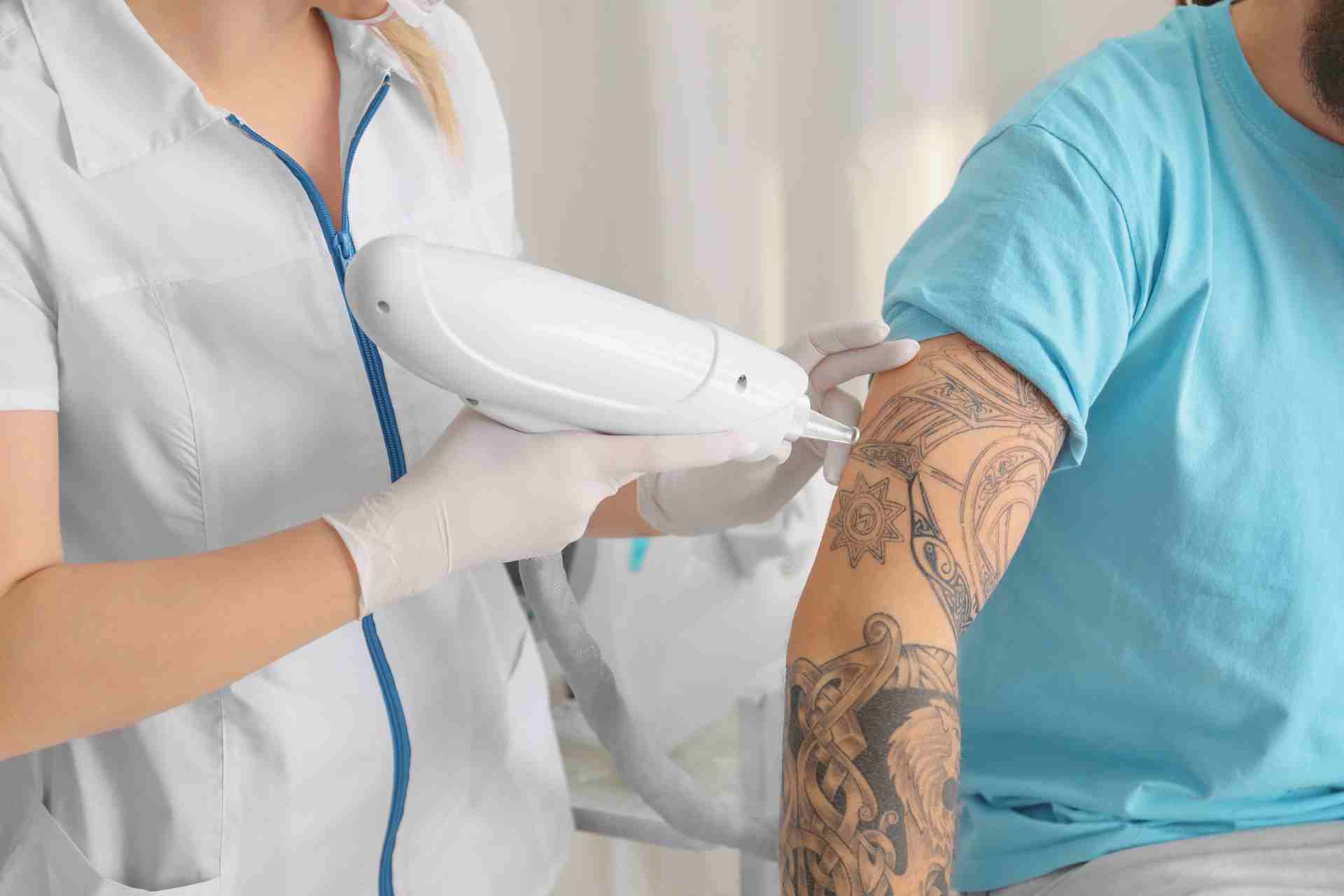
Clinical guidance emphasizes that post-treatment aftercare directly influences results and side effects. Relevant recommendations include:
- Keeping the treated area clean and dry
- Avoiding sun exposure
- Applying prescribed ointments
- Avoiding picking at blisters or scabs
Neglecting aftercare increases the likelihood of pigmentation changes or delayed healing.
Fact: Aftercare Determines Healing Quality
Clinical guidance emphasizes that post-treatment aftercare directly influences results and side effects. Relevant recommendations include:
- Keeping the treated area clean and dry
- Avoiding sun exposure
- Applying prescribed ointments
- Avoiding picking at blisters or scabs
Neglecting aftercare increases the likelihood of pigmentation changes or delayed healing.
Does Laser Tattoo Removal Hurt?
Pain perception varies, but many patients describe laser tattoo removal as feeling similar to a rubber band snapping against the skin, brief, sharp, and targeted to the tattooed area. Importantly, pain often decreases with each session as the tattoo fades and less pigment remains to absorb laser energy.

Fact: Complete Removal Isn’t Guaranteed but Fading Is Likely
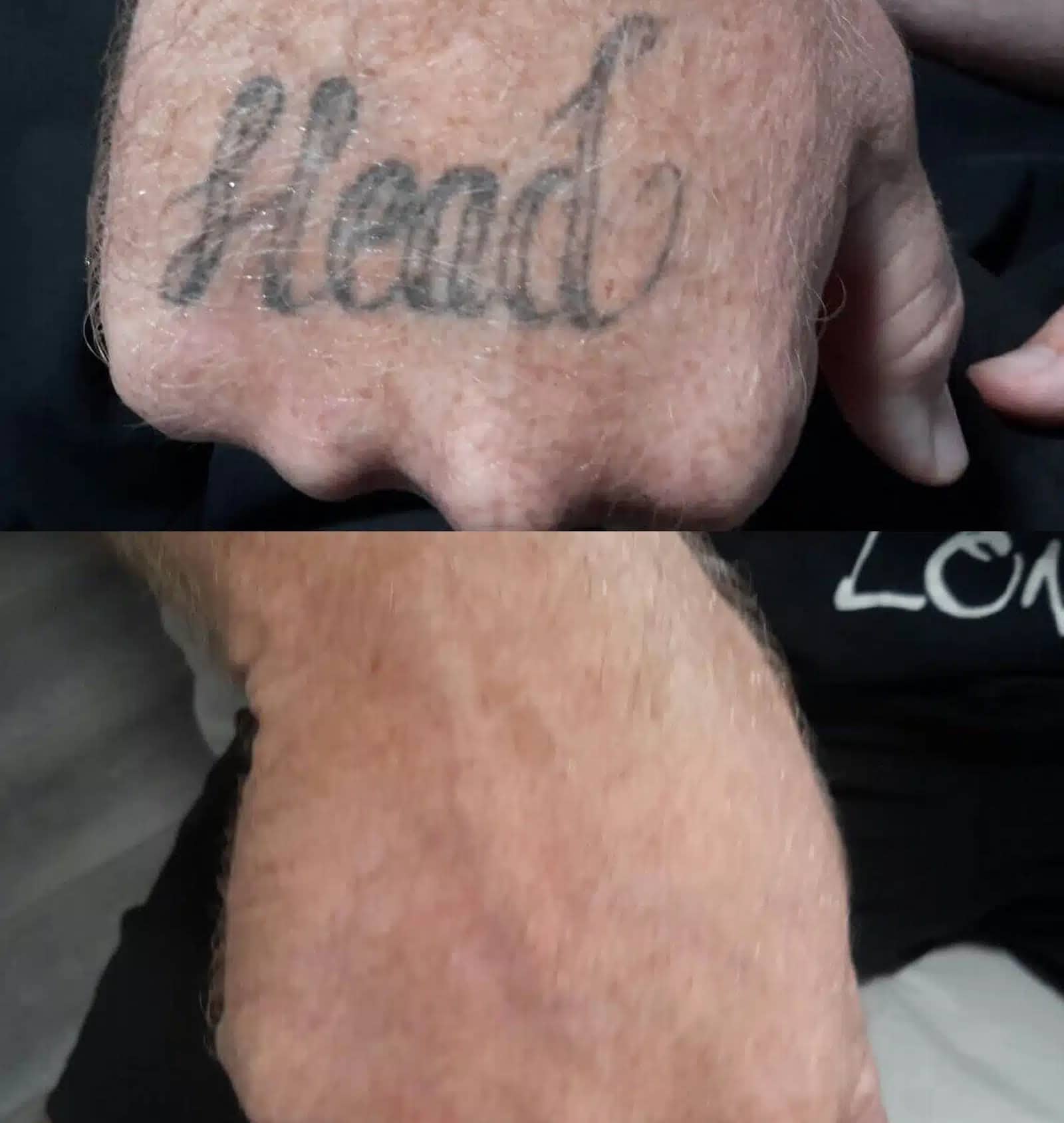
Despite technological advances, complete tattoo removal cannot be guaranteed for every tattoo. Some pigments, especially lighter or pastel colors, may fade significantly but not disappear completely. Factors influencing final results include:
- Tattoo age
- Placement
- Ink density
- Skin tone
However, even partial fading often creates a smoother canvas for makeup coverage or tattoo cover-ups.
Fact: Complete Removal Isn’t Guaranteed but Fading Is Likely
Despite technological advances, complete tattoo removal cannot be guaranteed for every tattoo. Some pigments, especially lighter or pastel colors, may fade significantly but not disappear completely. Factors influencing final results include:
- Tattoo age
- Placement
- Ink density
- Skin tone
However, even partial fading often creates a smoother canvas for makeup coverage or tattoo cover-ups.
Frequently Asked Questions About Laser Tattoo Removal
How long does laser tattoo removal take from start to finish?
Laser tattoo removal is a gradual process. While each session usually lasts only a few minutes, complete removal typically takes several months to over a year, depending on the number of sessions required and the spacing between them. Most treatments are scheduled 6–8 weeks apart to allow proper healing and ink clearance.
Can all tattoos be completely removed?
While modern laser technology can significantly fade most tattoos, complete removal cannot be guaranteed in every case. Factors such as ink color, tattoo age, depth, and individual immune response affect final results. However, most patients achieve substantial fading that greatly improves skin appearance.
Is laser tattoo removal safe for darker skin tones?
Yes. With advanced laser systems and proper settings, laser tattoo removal can be safely performed on a wide range of skin tones. At Winter Park Tattoo Removal, treatments are carefully customized to protect melanin-rich skin while effectively targeting tattoo ink.
Will laser tattoo removal leave scars?
When performed by trained professionals, laser tattoo removal does not typically cause scarring. Most scarring concerns are linked to pre-existing tattoo damage, improper treatment, or failure to follow aftercare instructions. Choosing an experienced provider significantly reduces this risk.
How painful is laser tattoo removal compared to getting a tattoo?
Most patients report that laser tattoo removal feels similar to or slightly more intense than getting a tattoo, but the discomfort is brief. Treatments are fast, and cooling or numbing options are available to improve comfort during the session.
Why do treatments need to be spaced weeks apart?
Spacing treatments 6–8 weeks apart allows your immune system enough time to process and remove shattered ink particles. Additionally, proper spacing reduces the risk of skin irritation, blistering, or pigmentation changes.
What should I avoid after a laser tattoo removal session?
After treatment, patients should avoid:
- Direct sun exposure
- Tanning beds
- Hot tubs and swimming pools
- Picking or scratching the treated area
Following aftercare instructions is essential for optimal healing and results.
Does laser tattoo removal work on cosmetic or permanent makeup tattoos?
Yes, laser tattoo removal can treat cosmetic tattoos such as eyebrow or lip pigmentation. However, these tattoos require specialized assessment, as some pigments may darken temporarily before fading. A professional consultation is essential before treatment.
How much does laser tattoo removal cost?
The cost of laser tattoo removal varies based on tattoo size, color complexity, and number of sessions required. At Winter Park Tattoo Removal, pricing is discussed transparently during your consultation, ensuring there are no hidden fees.
When will I start seeing results?
Most patients notice visible fading after the first few sessions, with continued improvement after each treatment. Final results become more apparent as the immune system gradually clears ink between sessions.
Final Thoughts: What These Facts Mean for You
Laser tattoo removal isn’t a quick fix, it's a scientific process supported by decades of dermatological research. However, with the right technology, expertise, and aftercare, most patients achieve substantial fading and enhanced confidence in their appearance.
If you’re considering tattoo removal in Winter Park or Orlando, Florida, trust experts who understand both the art and science behind successful treatments.
Ready to Transform Your Skin?
Visit https://winterparktattooremoval.com/ to book your consultation.
Expert care. Proven technology. Results you can trust.